July 9, 2026
As the cold months approach, the role of reliable indoor climate management in maintaining a cozy and safe home environment becomes paramount. Ensuring that families remain warm during the winter reduces the risks associated with exposure to cold temperatures. Beyond mere comfort, a well-functioning system is essential for preventing issues such as frozen pipes and mitigating health concerns.
The strategic selection of proper equipment forms the foundation of long-term domestic comfort. Every residence features unique structural demands, meaning that a system suited for one property might not deliver optimal results in another. Factors such as regional weather severity, local utility rates, and existing ventilation pathways must all be carefully evaluated before making a final decision. By finding professional heating services, residents can analyze these variables to establish a robust defense against harsh winter conditions. Navigating the selection process with expert guidance minimizes the risk of installing underpowered or inefficient units.
Understanding Different System Options
Selecting the right setup involves evaluating the specific needs of your home, considering factors such as regional climate, household budget, and existing infrastructure. The variety of configurations available makes it important for residents to weigh the benefits and drawbacks of each approach. Forced air, hydronic, radiant, geothermal, and solar configurations each provide unique advantages tailored to different environments and layout preferences. Consulting with professional heating services can help in clarifying these choices, ensuring that the selected equipment aligns with the architectural design and long-term energy goals.
The execution of a new setup requires careful planning and strict adherence to safety standards to ensure optimal performance and operational security. This process includes assessing the current structural layout, conducting necessary ventilation upgrades, and ensuring full compliance with local building codes. Safety is paramount; faulty configurations can lead to severe hazards like gas leaks and fire risks, underscoring the importance of professional consultation and official certification. Homeowners should also consider the feasibility of incorporating automated controls during this initial phase, which can further enhance safety and everyday ease of use. Proper preparation can avert future structural issues and contribute to a seamless transition, ensuring reliable warmth for years to come.
Installing Equipment With Precision
The physical placement of a new setup is a multi-stage process beginning with dismantling the old equipment, if necessary, and preparing the dedicated space for the new units. This involves taking accurate dimensional measurements, ordering compatible components, and formulating a timeline that minimizes disruption to daily household activities. Technicians then focus on executing the mechanical connections, which demands high precision to avoid long-term operational faults or structural inefficiencies. Post-installation, it is vital to perform rigorous testing to confirm that the system operates correctly and efficiently. Proper installation not only enhances system longevity but also boosts energy efficiency, which is critical given that U.S. electricity usage is projected to reach record highs of 4,191 billion kWh in 2025 and 4,305 billion kWh in 2026, according to Reuters.
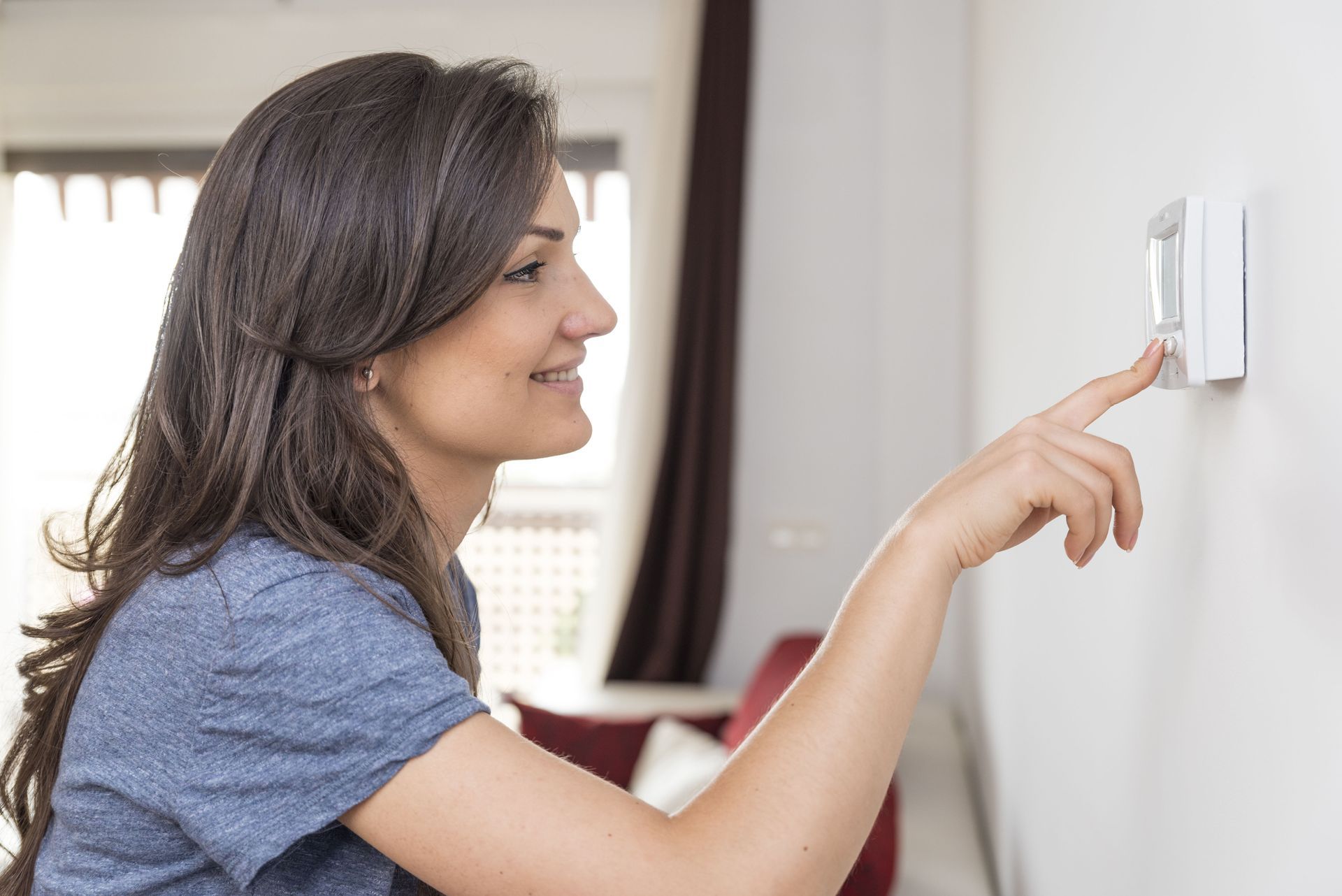
Integrating modern automated controls with your setup offers a range of advantages, including enhanced climate management and increased utility savings. Advanced programmable thermostats, for instance, allow for precise temperature regulation, adapting to user preferences and external weather fluctuations automatically. This can result in significant resource savings and convenience, as users can manage internal settings remotely via mobile applications. Moreover, connected setups can offer valuable usage statistics and predictive maintenance alerts, ensuring a proactive rather than reactive approach to equipment care. The adoption of such automated solutions continues to rise as the market demand for more sustainable and responsive household infrastructure grows.
Maintaining Machinery For Longevity
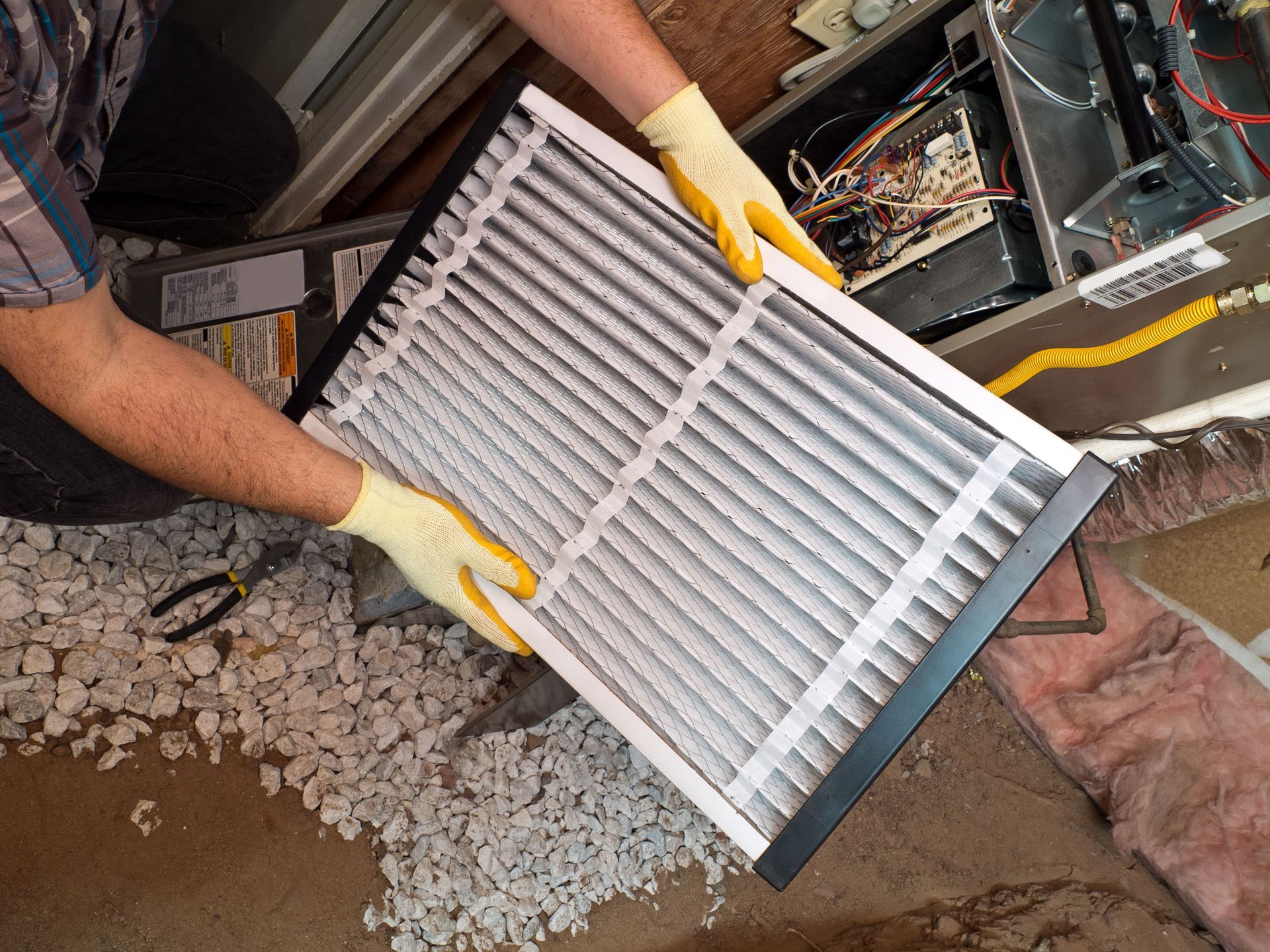
Regular upkeep is essential to extend the lifespan of your setup and ensure it runs efficiently during peak usage periods. Basic household tasks include changing airflow filters, cleaning external surfaces, and checking for visible signs of wear and tear. Such preventative measures help to prevent minor operational issues from escalating into costly mechanical breakdowns, safeguarding the overall functionality and utility efficiency over time. Routine upkeep also involves basic visual inspections and general performance assessments to detect any subtle abnormalities that require expert evaluation. Homeowners who stay diligent with these straightforward tasks often enjoy reduced utility expenses and a more predictable winter home environment.
Common problems facing climate setups include thermostat communication errors, uneven heat distribution, and ignition or pilot light failures. Recognizing these mechanical problems early allows for timely intervention, preventing major disruptions to home comfort or complete component failure. Often, basic troubleshooting steps can resolve these simple errors, like resetting the control interface or checking electrical breakers. However, some complex issues, like unusual internal noises or persistent efficiency declines, require expert diagnostic tools and professional repair solutions. Being informed and proactive about potential equipment issues can significantly mitigate long-term repair expenses and extend the useful life of the machinery.
Optimizing Daily Energy Usage
When considering a structural upgrade, modern energy-efficient models often provide superior performance and significant utility cost savings. Models carrying high Annual Fuel Utilization Efficiency ratings can reduce resource consumption significantly, leading to lower monthly utility statements. Though the upfront purchase cost can be higher, these advanced models often pay for themselves over time through reduced operational expenses. Trading older, degraded equipment for energy-efficient options is especially crucial as residential energy demand continues to climb nationwide. Upgrades contribute not only to direct financial savings but also to sustainable resource conservation, which is a major priority in today's environmentally conscious landscape.
Simple modifications to thermostat settings can have a profound impact on resource consumption, offering a straightforward way to enhance overall equipment efficiency. Lowering the target temperature by a few degrees during nighttime hours or when the property is unoccupied can result in noticeable financial savings. Programmable and connected control devices automate this adjustment process, changing settings based on occupancy patterns and external climate shifts. These devices also provide clear insights into household energy habits, allowing residents to adopt more informed, cost-effective daily practices. As regional energy costs rise, optimizing control settings remains a crucial strategy in reducing overall household utility consumption.
Selecting Qualified Service Technicians
Choosing a reliable provider is essential in ensuring the longevity and efficiency of your home's primary infrastructure. When searching for a technician, consider their official industry certification, field experience, and customer feedback to assess their credibility and service standards. Recommendations from local resources can provide insights into reputable companies capable of delivering dependable heating services. An important aspect to consider is the provider's capability to offer comprehensive solutions, including rapid emergency interventions and long-term maintenance agreements.
Regularly scheduled visits form the backbone of a well-maintained setup, encompassing detailed safety checks, professional cleaning, and technical performance evaluations. These scheduled appointments allow certified technicians to preemptively address hidden mechanical problems, averting unexpected winter breakdowns and expensive emergency fixes. However, critical equipment failures can still arise unexpectedly during extreme blizzards; hence, having a relationship with a provider capable of swift response is invaluable. Professional technicians prioritize customer safety and operational efficiency, responding promptly to emergency repair calls with the appropriate diagnostic tools.
Preparing For Future Innovations
With an increasing global emphasis on environmental sustainability, advancements in renewable technologies are paving the way for greener residential heating services. Developments in solar collection and geothermal extraction continue to gain momentum as their integration with modern electrical grids becomes more practical. The ongoing innovation in these fields promises more effective, accessible, and affordable setups that can significantly reduce the environmental footprint of domestic climate control. As technology evolves, renewable options, paired with efficient usage practices, position themselves as cornerstones in addressing high energy demands, even as national electricity usage hit record peaks.
The integration of connected technologies within residential setups is transforming how consumers interact with and manage their daily energy consumption. Automated thermostats and linked appliances provide homeowners with unprecedented control, efficiency, and convenience, aligning internal climate management with busy modern lifestyles.
To guarantee that your home remains warm and secure all winter long, it is imperative to secure professional
heating services before the first cold snap arrives. Regular professional inspections and precise adjustments not only safeguard your equipment against sudden failures but also optimize energy usage to keep operational costs manageable. Do not wait for a major system failure to occur during a freezing winter storm. Contact Star Heating & Cooling today to schedule a comprehensive system evaluation and ensure your household comfort is fully protected.