October 8, 2026
Understanding the role of clean air filters in modern air conditioners is crucial for energy management and equipment longevity. Clean filters are an integral part of a healthy indoor environment and serve as a vital component for home comfort. As these cooling units become indispensable, maintaining parts becomes essential for avoiding disruptions in service. Neglecting this basic upkeep leads to poor performance, while consistent attention provides reliable cooling. In this guide, we explore the multifaceted benefits of clean air filters and their overarching impact on everyday temperature control. Grasping these concepts helps homeowners keep spaces comfortable.
Understanding Basic System Mechanics
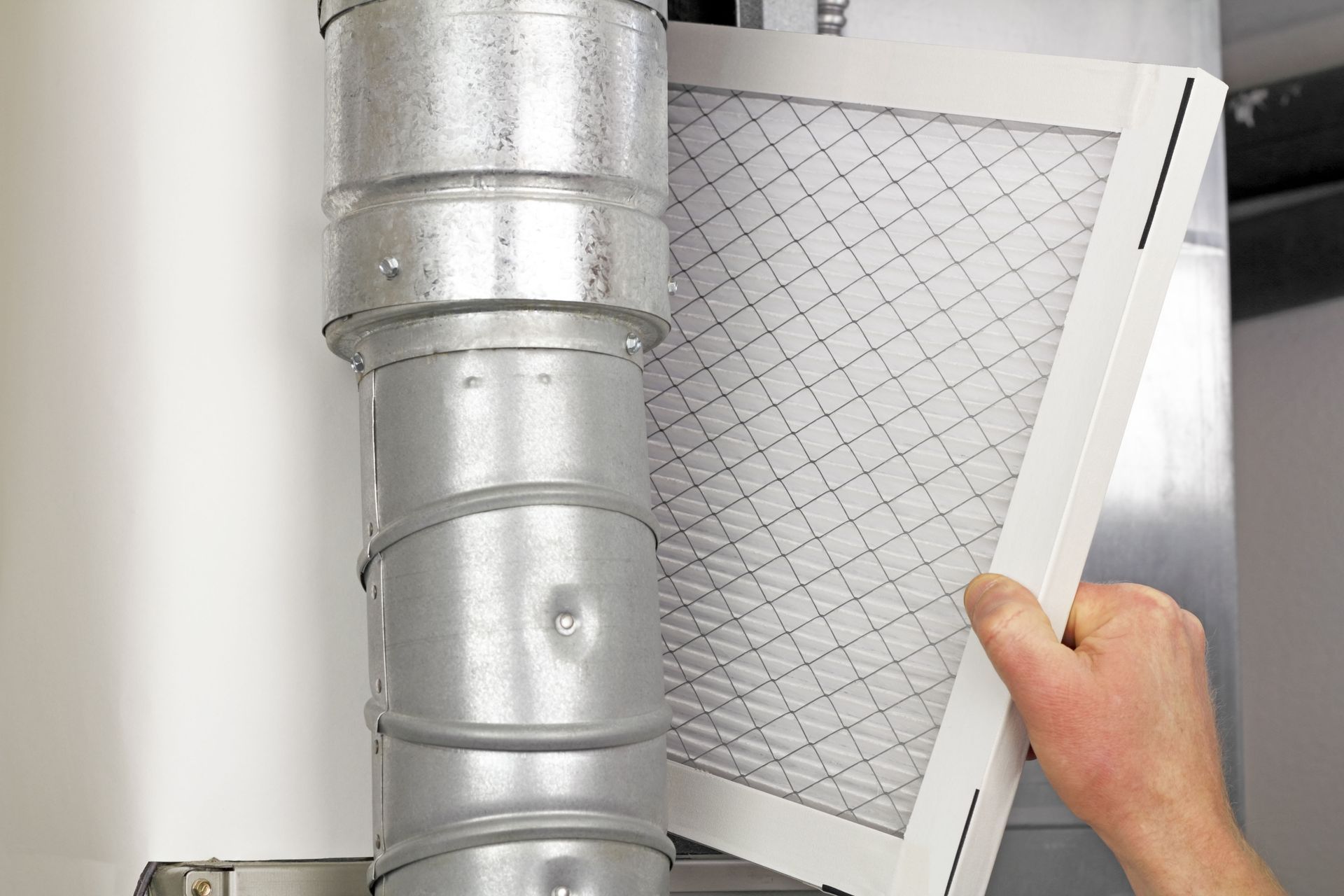
Cooling systems rely on a balance of components working in harmony to regulate indoor temperatures. The refrigerant circulates through coils and changes states from liquid to gas. The compressor, condenser, and expansion valve are pivotal in this heat exchange process. Air filters remain underrated, despite serving as a primary defense against particulates that disrupt this delicate balance. Grasping these mechanics highlights the indispensability of air filters in modern air conditioners. Clean filters block dust and debris from entering internal pathways, which stops the system from suffering severe performance drops.
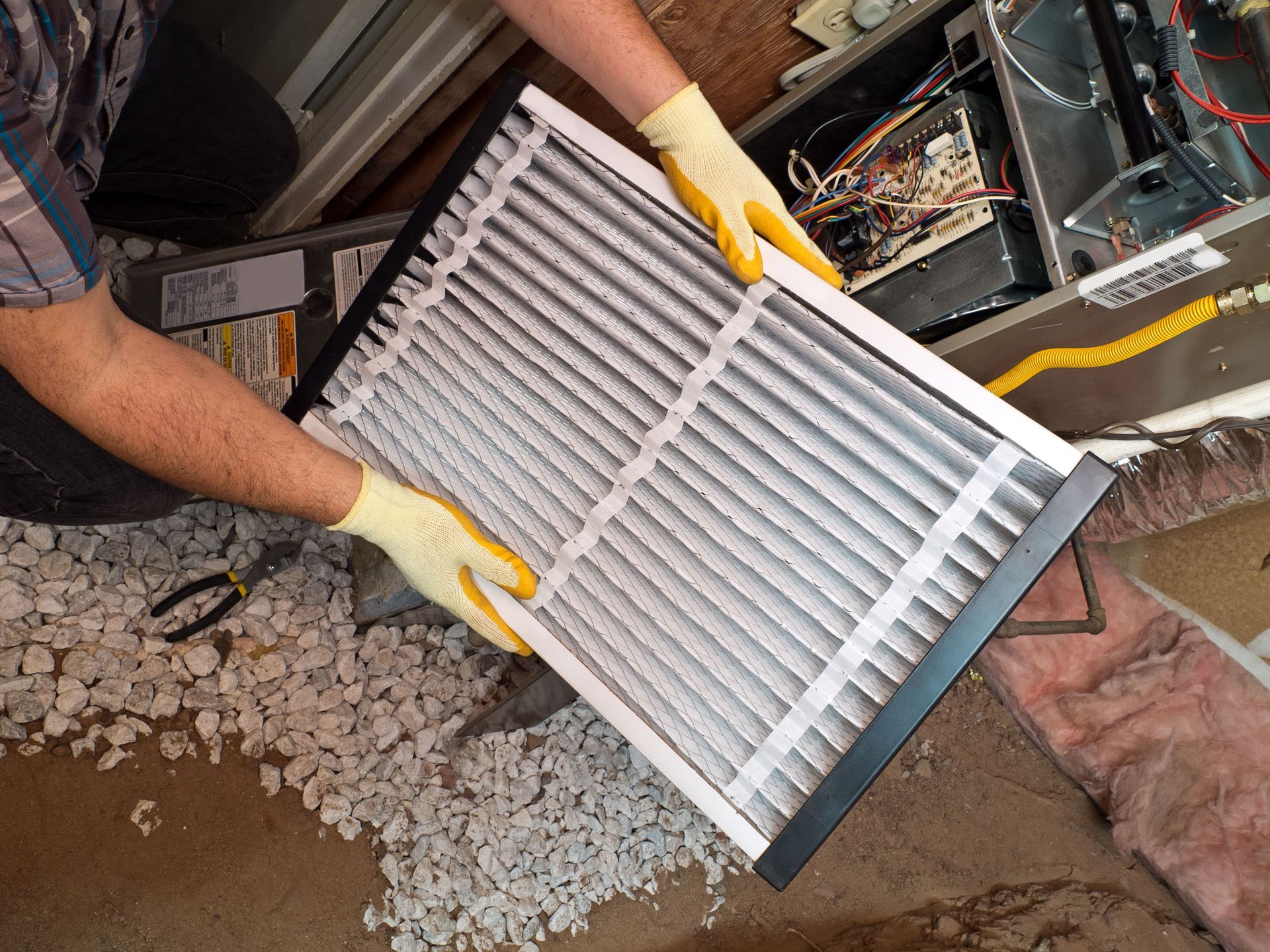
To maintain optimal airflow, clean air filters remain an absolute necessity for any property owner. According to the U.S. Department of Energy, replacing an unclean HVAC filter drops a cooling system's energy usage by 5% to 15%. This demonstrates the direct impact clean filters have on structural effectiveness. Without a clean barrier, efficiency plummets, making internal parts susceptible to frequent breakdowns. Because these systems consist of numerous interrelated components, disruptions in a single area resonate throughout the machine. A pristine filter ensures all components remain protected and operate in complete harmony.
Improving Indoor Air Quality
The importance of a clean air filter extends beyond mechanical efficiency to affect the breathability of indoor spaces. In modern environments, cooling units run on a continuous loop, making them a primary mode of air circulation. Air filters capture dust, pollen, and bacteria, ensuring the air you breathe is healthier. Without this barrier, particulates circulate indoors, exacerbating respiratory issues for occupants. Clean air filters become a critical factor in maintaining comfort and wellness within living spaces. For people sensitive to allergens, clean filters make a substantial difference in daily comfort.
Keeping air filters clean ensures the filter media does not become saturated, which would result in poor particulate capture. People with environmental sensitivities benefit from maintained filtration systems. Air quality within a home relies on avoiding the generation of pollutants from overtaxed systems. A dirty filter allows pollution to circulate, defeating the purpose of using air conditioners to condition the atmosphere. A reduction in air quality has far-reaching effects on comfort. Emphasizing filter cleanliness continues to be a critical point for health-conscious consumers wanting a pleasant living space.
Protecting Internal Mechanical Components
The internal components of a cooling unit are complex and interdependent, requiring proper maintenance to function at peak capacity. Clean air filters act as protective barriers that prevent grime from entering and damaging these sensitive parts. Coils and fan motors become impaired by debris accumulation, leading to restrictive airflow. By mitigating clogging and undue stress on these parts, air filters play a crucial role in preventing premature wear and tear. Ensuring filters remain clear is essential for safeguarding the system from structural deterioration over time.
A blocked filter creates major resistance in airflow, causing strain on the blower motor as it struggles to maintain coolant movement. This unnecessary exertion results in overheating or a complete shutdown of the system. Proactive management of filter cleanliness reduces the risk of these complications for air conditioners. The system relies upon a perfect balance of airflow for effective functioning. Clean filters keep airflow consistent, preventing frozen coils and pressure imbalances that impact the condenser. Maintaining this equilibrium ensures cost-effective operations and guards expensive parts from irreversible damage.
Optimizing Daily Airflow Efficiency
An overlooked aspect of cooling performance is airflow efficiency, which is impacted by a filter's condition. Airflow efficiency affects the speed and effectiveness with which spaces are cooled. This metric is contingent on an unobstructed path for circulated air throughout the building. A clean filter maintains consistent airflow, ensuring rooms reach the desired temperature without excessive strain on the equipment. A dirty filter restricts this movement, leading to uneven cooling and a system that works harder. The subsequent burden results in profound energy inefficiency and elevated utility costs for the property owner.
Filters clogged with dust impair the ability of the system to draw in and push out air. This reduced efficiency is felt as rooms take longer to cool down. The system consumes excess power to achieve the same climate control results. The importance of fluid airflow is exemplified by how compromised it becomes with a blocked barrier. Maintenance of air filters is a strict necessity for efficient operation in all air conditioners. By prioritizing airflow efficiency through clean filters, cooling units face less mechanical stress and deliver better performance.
Extending Overall Equipment Lifespans
A considerable benefit of maintaining clean air filters is the extension of the cooling system's operational lifespan. When systems operate with clean filters, they function under optimal conditions, extending the service life of each mechanical part. Consistent use of clean filters reduces the likelihood of unexpected breakdowns and the wear borne by integral elements. Users expect a longer duration of efficient cold air delivery from their air conditioners when they stay on top of regular replacements. This longevity contributes to better energy management and a lower total cost of ownership.
Dirty air filters result in more than immediate performance concerns; they represent the potential for compounded issues that degrade functions over time. The additional stress placed on a cooling system forced to operate under subpar conditions reduces its operational expectancy. Maintained systems experience fewer operational issues, reflecting maintenance practices that focus on prolonging life. Investment in climate control is significant, and maximizing return on this investment is dependent on routine maintenance. By keeping vigilant attention to the condition of filters, users safeguard systems against premature failure.
Preventing Unexpected System Overloads
Maintaining clean air filters is instrumental in preventing system overload, a situation that leads to unexpected service interruptions. Overworked systems exhibit decreased levels of performance and reliability, causing user dissatisfaction and unintended disruptions in service. By allowing clean air to flow, systems can maintain temperature settings, averting the risk of overloading machinery. Overloading results in critical component failure, impacting the wallet and peace of mind of the system owner. Clean filters safeguard against these eventualities by promoting coherency and balance within the operational dynamics of air conditioners.
Systems forced to work beyond their limits due to restricted airflow are prone to malfunctions, breakdowns, and reduced effectiveness. Maintained air filters alleviate these risks by ensuring systems do not operate outside their designed capabilities. Clean filters facilitate optimal operations by reducing the likelihood of burnout, compressive stress on motors, or thermal overload. The consequences of system overload are varied and disastrous if left unaddressed. Beyond unnecessary power consumption and motor strain, overload shortens machinery lifespan. Keeping an eye on filter condition emerges as an effective preventive measure against performance stalling.
Warranty conditions of cooling units stipulate maintenance requirements such as air filter replacements to ensure continued coverage. Failing to adhere to these requirements results in voiding your warranty, eliminating the potential recourse users require for unforeseen breakages. Maintaining clean filters is necessary to remain compliant with manufacturer guidelines and agreements. Consistent filter upkeep is pivotal for technical, administrative, and protective service reasons. Routine maintenance prevents damage that is avoided through standard upkeep. When you are ready to improve the performance of your air conditioner, contact us at Star Heating & Cooling for the expert service you need.