November 9, 2026
Maintaining a heating system involves more than just turning it on during colder months. Regular and systematic maintenance ensures the system runs efficiently, reduces energy costs, and extends the heating system's lifespan. Given that a well-maintained furnace or heater has an estimated lifespan of 15 years, according to Energy Star, implementing a maintenance routine can result in significant long-term benefits. In this article, we will explore various maintenance habits that are simple to follow yet profoundly impact your heating system's durability and performance. Through practical steps and expert guidelines, you can ensure warmth and comfort throughout the season.
1. Regularly Inspect and Clean Filters
1.1 Importance of Clean Filters
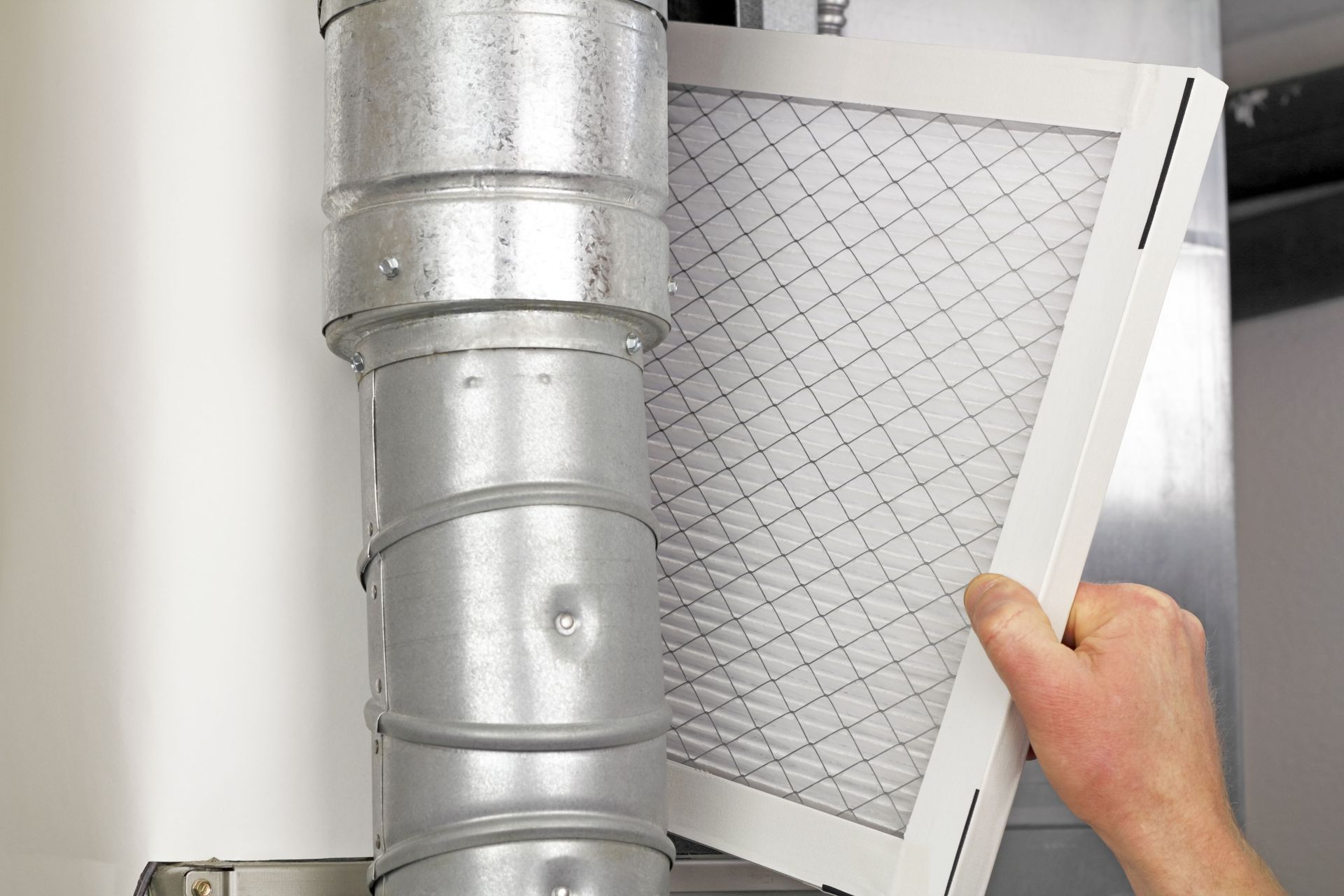
One of the simplest yet most effective maintenance tasks is inspecting and cleaning the filters of your heating system. Clean filters improve the airflow within your system, making it more efficient and helping to maintain healthy indoor air quality. Incorporating regular filter cleaning into your routine prevents dust and debris from accumulating, which can otherwise lead to blockages. These blockages force the system to work harder, thus consuming more energy and elevating utility bills. Consequently, clean filters contribute not only to efficient heating but also to reduced environmental impact through lower energy consumption.
1.2 How Often to Check Filters
The frequency of checking and cleaning your filters depends on a number of factors, including the type of heating system you have and its usage. Systems used more intensively may require more frequent checks, while those used less can last on the longer end of that spectrum. Seasonal considerations are also crucial; during high-use periods such as winter, inspections should be more frequent. By establishing a consistent filter maintenance schedule, you ensure optimum system performance and prolonged lifespan.
1.3 Effects of Neglecting Filter Maintenance
Neglecting filter maintenance results in a multitude of problems, starting with reduced system efficiency. Clogged and dirty filters force the heating system to overwork, leading to an increase in energy consumption and higher utility bills. Additionally, poor filtration allows pollutants and allergens to circulate, deteriorating indoor air quality. Prolonged neglect can cause overheating and even lead to system failure, potentially necessitating costly repairs or replacement. Therefore, establishing a routine for filter maintenance is a crucial step in preserving system longevity and performance.
2. Check Thermostat Settings
2.1 Understanding Thermostat Functions
The thermostat serves as the control center for your heating system, playing a pivotal role in maintaining desired indoor temperatures. It activates the system based on the temperature settings, ensuring consistent comfort and efficiency. Properly understanding and utilizing your thermostat can significantly reduce energy consumption. Many modern thermostats come with advanced features that aid in optimizing heating cycles. Familiarity with these functions enables homeowners to maximize energy savings and improve the overall efficiency of their heating systems.
2.2 Regular Thermostat Calibration
Regular calibration of your thermostat ensures it correctly reads and maintains the desired temperatures. Incorrect calibration can lead to inefficient heating, discomfort, and increased energy expenses. It is advisable to calibrate your thermostat at least once a year or whenever you notice temperature discrepancies. Many thermostats come with user-friendly manuals that help guide through the calibration process. Ensuring your thermostat operates accurately is a straightforward yet critical step in optimizing your heating system's performance.
2.3 Benefits of Programmable Thermostats
Programmable thermostats offer a convenient and effective way to manage your home's heating, creating opportunities for significant energy savings. They allow homeowners to set temperature adjustments based on their schedule, ensuring warmth is provided only when necessary. This feature reduces energy waste and lowers utility bills while maintaining comfort. Smart thermostats add a layer of adaptability by learning your heating preferences and adjusting automatically. Embracing these advances in thermostat technology enhances both convenience and cost-efficiency in managing home heating.
2.4 Troubleshooting Common Thermostat Issues
Common thermostat issues, such as unresponsive controls or incorrect temperature readings, can hinder the performance of your heating system. Troubleshooting these issues often involves checking the power supply, ensuring batteries are functional, and examining the thermostat settings. Consulting the user manual can help resolve many basic problems without requiring professional assistance. In cases of persistent issues, seeking professional help ensures precise diagnosis and repair. Keeping your thermostat in optimal working condition is essential for maintaining an efficient heating system.
3. Conduct Annual Professional Inspections
3.1 Scheduling Routine Inspections
Scheduling routine professional inspections is a proactive approach towards maintaining a successful and efficient heating system. As a standard practice, most experts recommend at least one inspection annually, ideally before the onset of the heating season. Such inspections help in identifying potential issues early, avoiding unexpected breakdowns during peak usage. They provide a comprehensive evaluation of the system's overall condition, covering both operational efficiency and safety aspects. By adopting this routine, you ensure your system remains in its best operational condition year after year.
3.2 Expected Components of a Professional Inspection
During a professional inspection, several components of the heating system are thoroughly examined to ensure optimum functionality. The technician will check filters, inspect the combustion chamber, test thermostat settings, and evaluate the overall efficiency of the system. They will also assess ductwork and ensure there are no leaks that could compromise the system's performance. Regular inspections are critical for maintaining safety standards and ensuring the longevity of the heating system, preventing potential issues from escalating into costly repairs.
3.3 Selecting a Reliable HVAC Technician
Choosing the right HVAC technician is crucial for ensuring effective and trustworthy service. Start by seeking recommendations from trusted sources or checking online reviews for insights into a technician's reputation. Certifications and licenses should be verified to confirm their qualification and adherence to industry standards. It's also wise to verify their experience with the specific make and model of your heating system to ensure appropriate expertise. A reliable technician will not only perform necessary maintenance but also provide valuable advice for future system care.
4. Address Leaks and Seals
4.1 Identifying Potential Leaks
Leaks within a heating system can significantly impact efficiency and should be promptly identified and dealt with. Common leak sources include ductwork, valves, and seals, each demanding a careful inspection routine. Observing unusual increases in energy consumption or hearing hissing noises could indicate potential leaks. Routine checks during maintenance schedules allow for early detection and intervention, mitigating more severe issues. By regularly evaluating these components, you ensure your system remains airtight and efficiently operational.
4.2 Sealing and Insulating Ductwork
Properly sealing and insulating ductwork is crucial to maintain the efficiency of a heating system. Gaps and leaks in the ductwork lead to heat loss and force the system to work harder to maintain desired temperatures, increasing energy bills. Special insulating materials and sealing techniques effectively address these issues. By focusing on proper insulation and airtight sealing, you not only enhance comfort through consistent indoor temperatures but also achieve significant cost savings. This proactive measure ensures that your heating system operates with optimal efficiency, resulting in long-term benefits.
4.3 The Role of Ventilation
Effective ventilation plays a vital role in the overall performance and safety of a heating system. It helps manage pressure imbalances that could otherwise lead to ineffective heating or system failures. Adequate ventilation prevents the buildup of hazardous gases, such as carbon monoxide, which pose serious health risks. Ensuring that ventilation pathways are clear and functional is an important safety measure. Consistent evaluation and maintenance of ventilation not only protect your home's air quality but also enhance the efficiency and lifespan of your heating system.
Implementing these simple maintenance habits ensures a long-lasting and efficient heating system. Routine checks and regular professional inspections extend the system's lifespan and help maintain a safe, comfortable home environment. By following these guidelines, you not only optimize system performance but also underscore the value of regular upkeep in preventing costly repairs and ensuring safety. With conscious effort and attention, you can enjoy not only warmth and comfort but also peace of mind throughout the
heating season. If you're looking for assistance with your HVAC system, reach out to Star Heating & Cooling today!