May 5, 2026
Explore the essential role of heating contractors in providing efficient heating and cooling solutions, ensuring optimal home comfort and energy efficiency. Heating contractors and HVAC professionals help homeowners and businesses maintain dependable indoor temperatures through installation, repair, and maintenance of modern heating and cooling systems. Heating contractors play an important role in system selection and performance optimization, especially as energy demands continue to increase across residential and commercial properties. Understanding how these systems work and how they are serviced helps maximize performance and comfort throughout the year.
Fundamental Heat Pump Technology
Explain Principles of Heat Pump Operation
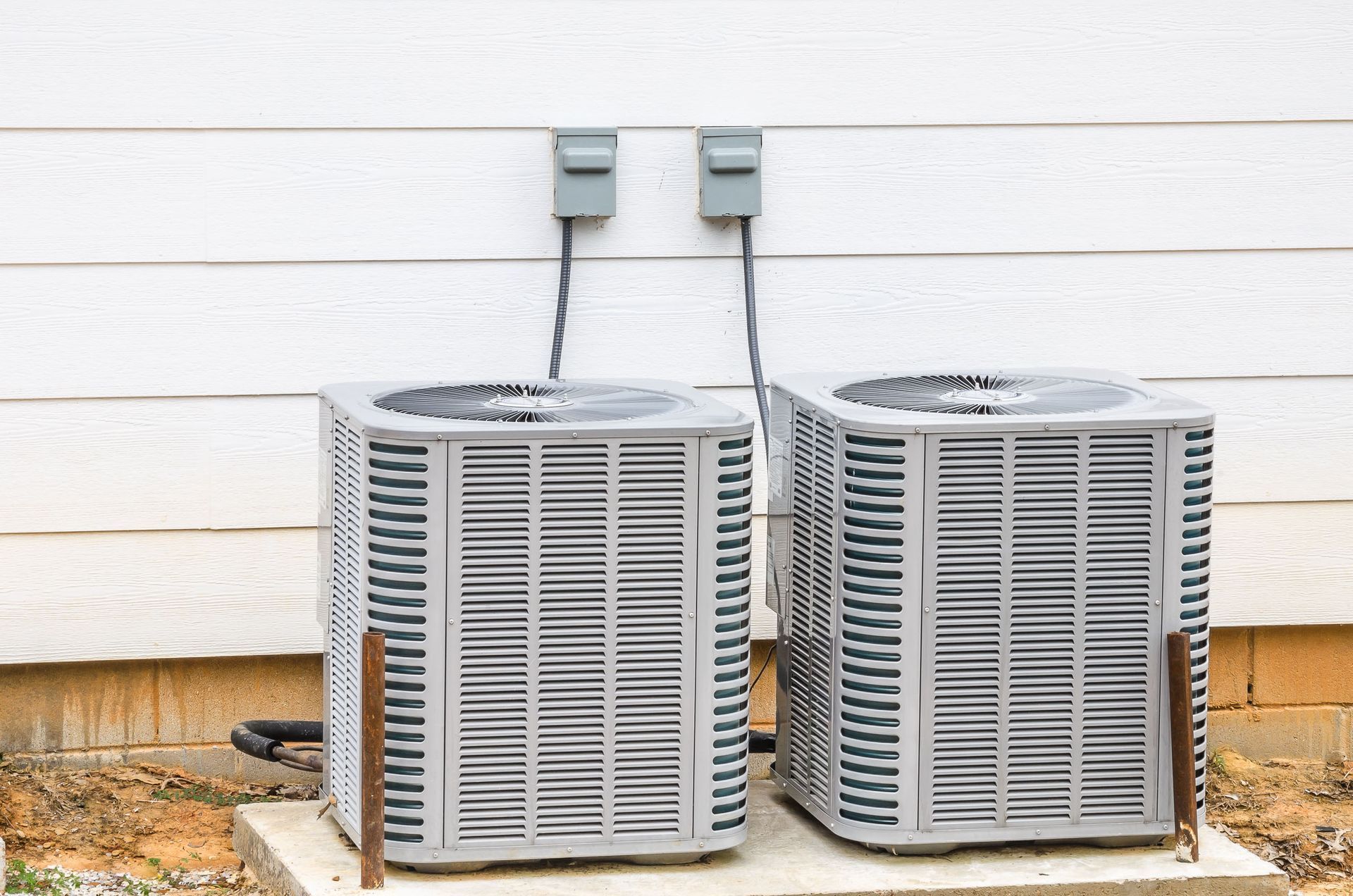
Heat pump systems work by transferring heat rather than generating it directly. This process moves warmth between indoor and outdoor environments using refrigerant circulation, allowing the system to provide both heating and cooling depending on the season. Because heat is moved rather than created through combustion, these systems are widely recognized for their energy-efficient operation compared to traditional heating equipment.
The efficiency of heat pump systems comes from their ability to utilize existing heat in the air. This reduces reliance on fuel-based heating methods and allows for more consistent temperature control in many residential and commercial settings. Their ability to switch between heating and cooling modes makes them a flexible solution for year-round comfort. Heating contractors often evaluate how these systems interact with existing equipment to ensure balanced performance.
Proper installation and system setup are important for ensuring efficient operation. Heating contractors evaluate property layout, system compatibility, and performance requirements to ensure the equipment is appropriately configured for long-term use. Careful setup helps reduce inefficiencies and supports stable operation across seasonal changes.
Compare Types of Heat Pump Systems
Heat pump systems can vary based on property needs and installation requirements. Air-source systems are among the most common and are designed to transfer heat between indoor spaces and outdoor air. Other system configurations may be used depending on building design, available space, and efficiency goals determined by heating contractors during system evaluation.
Explore Benefits of Heat Pump Systems for Home Heating
Heat pump systems offer efficient heating and cooling in a single unit, reducing the need for separate systems. This can simplify maintenance and improve overall convenience for property owners. Their energy-efficient operation also helps reduce overall energy consumption compared to traditional systems.
In addition to temperature control, these systems can contribute to improved indoor comfort by maintaining more consistent airflow and humidity levels. Many modern HVAC systems also operate more quietly than older heating and cooling equipment, improving indoor living conditions. Heating contractors often recommend system adjustments that support these comfort improvements over time.
Review Limitations and Performance Considerations
Like all HVAC systems, heat pump performance can vary depending on environmental conditions and system design. In colder climates, additional heating support may sometimes be needed depending on system capacity and configuration. Proper sizing and installation by heating contractors are essential to ensure dependable performance throughout the year.
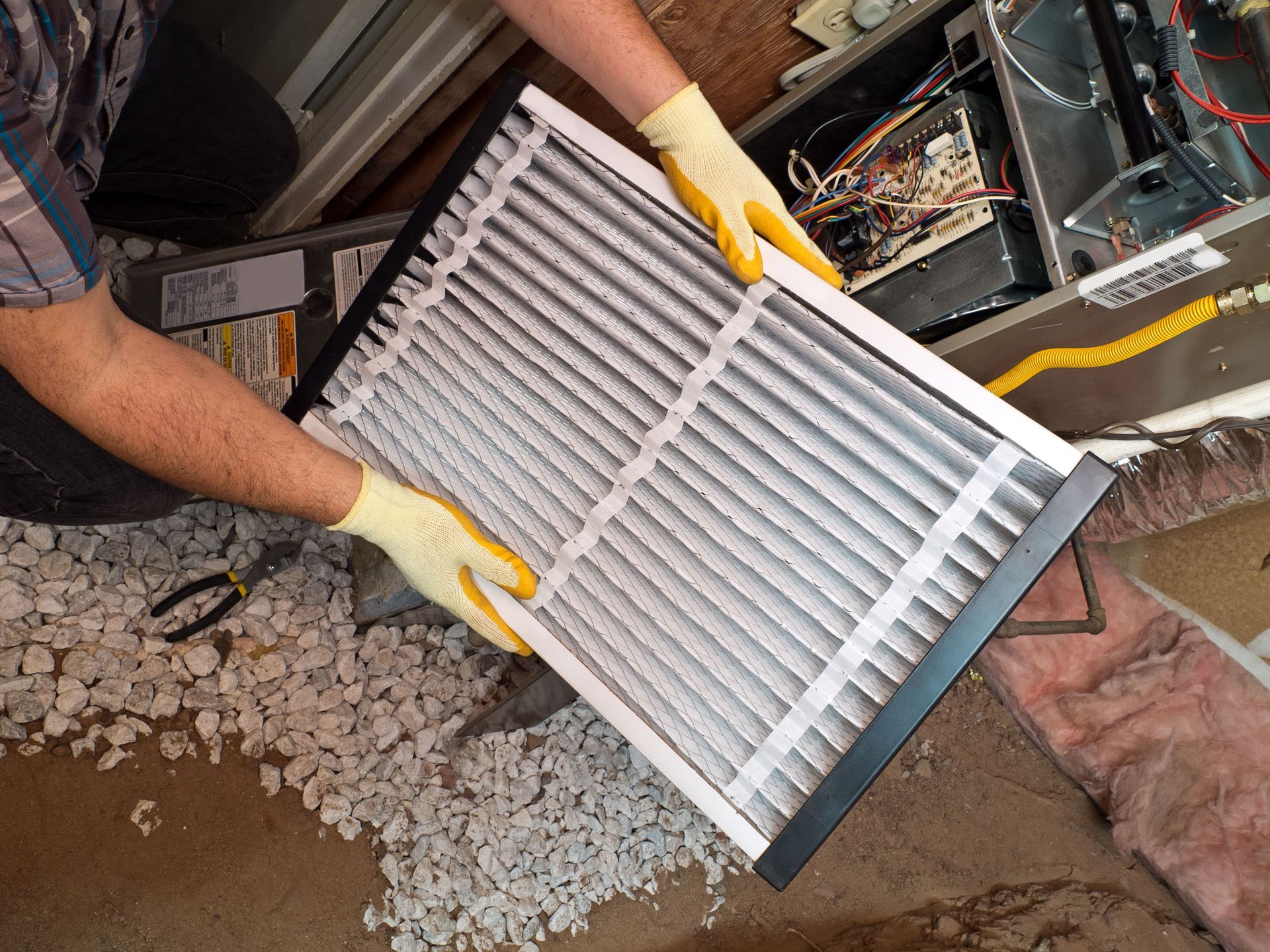
System efficiency can also be impacted by maintenance practices and overall system condition. Regular servicing helps ensure components remain clean, functional, and properly calibrated for optimal performance throughout seasonal changes. According to This Old House, HVAC systems typically last between 15 and 20 years with proper maintenance.
Organizational HVAC Contractor Systems
Ensure Importance of Professional Installation
Proper HVAC installation is essential for ensuring system efficiency and long-term performance. Heating contractors are responsible for accurate setup, including correct placement, airflow configuration, and integration with existing infrastructure. Poor installation can lead to reduced performance and increased energy usage, which is why professional oversight is critical.
Experienced HVAC professionals assess each property individually to determine system requirements and ensure equipment is installed according to manufacturer specifications and industry practices. Heating contractors also help ensure consistent operation and long-term system durability through precise installation methods tailored to each property.
Select Right HVAC Professional
Choosing an experienced HVAC professional involves evaluating their background, service offerings, and ability to handle a range of heating and cooling needs. Heating contractors should demonstrate clear communication, thorough assessments, and detailed explanations of system options. These factors help establish confidence in the service process.
Consultations allow property owners to better understand system options and determine which solutions best fit their comfort and efficiency goals. Heating contractors can provide recommendations based on property layout and system requirements, helping guide informed decisions without unnecessary complexity.
Understand Professional Training and Industry Standards
Heating contractors are typically trained in system installation, maintenance, diagnostics, and repair. Industry standards help guide safe and effective service practices, ensuring systems are installed and maintained properly. Requirements may vary depending on location and service scope, but technical training remains a key component of the profession.
Working with knowledgeable professionals helps ensure HVAC systems are handled with care and maintained according to established service practices. Heating contractors apply this training and boost system performance, safety, and long-term performance across different types of installations.
Evaluate Experience and Service Quality
Experience plays an important role in HVAC service quality. Heating contractors with hands-on experience are often better equipped to diagnose system issues, recommend appropriate solutions, and complete installations efficiently. This practical knowledge supports more consistent service outcomes.
Build Long-Term Service Relationship
Establishing an ongoing relationship with heating contractors can help simplify future maintenance and system care. Regular service visits and continued support help keep heating and cooling systems operating efficiently over time. This consistency supports more predictable system performance.
This type of relationship also allows technicians to become familiar with the property's HVAC system, making it easier to identify issues and recommend appropriate maintenance or upgrades when needed. Heating contractors benefit from this familiarity as it supports more efficient diagnostics and service planning.
Structured Home Heating Assessment
Conduct Home Energy Assessment
A home energy assessment helps identify areas where heating and cooling efficiency can be improved. Heating contractors often use these evaluations to better understand system performance and identify potential improvements. This process may include evaluating insulation, airflow, duct condition, and overall system performance.
Determine Proper System Sizing
Correct HVAC system sizing is essential for maintaining comfort and efficiency. Systems that are too large or too small may struggle to regulate temperature effectively, leading to uneven performance or unnecessary energy use. Heating contractors play an important role in determining proper system capacity based on property conditions.
Professional HVAC evaluations take into account property size, layout, insulation levels, and other factors to determine the most appropriate system capacity for consistent heating and cooling. This ensures the system operates efficiently under typical usage conditions.
Consider Climate and Environmental Factors
Local climate conditions play an important role in HVAC system performance. Seasonal temperature changes, humidity levels, and weather patterns can all impact how heating and cooling systems operate throughout the year. Heating contractors take these variables into account when recommending system types and configurations.
HVAC professionals consider these factors when recommending system types and configurations to ensure dependable year-round comfort. Heating contractors rely on environmental data and property-specific conditions to guide appropriate system selection.
Heating and cooling systems are essential for maintaining consistent indoor comfort, energy efficiency, and healthy air quality throughout the year. Partnering with skilled heating contractors helps ensure equipment is properly installed, well-maintained, and performing at its best over time. A clear understanding of available system options and routine care needs also allows property owners to make more informed decisions about their heating and cooling setups. To learn more about HVAC installation, repair, maintenance, indoor air quality improvements, ductwork services, and emergency support, Star Heating & Cooling offers a full range of services designed to support both residential and commercial comfort needs.