April 28, 2026
Running a business involves many moving parts, and your heating system is one of the most important—yet often overlooked. It affects employee comfort, customer experience, and overall efficiency, especially in colder months. A well-designed system helps control energy costs and maintain consistent performance, while a poorly maintained one can drive up expenses. Working with experienced heating contractors ensures your system supports reliability, efficiency, and long-term value. Whether upgrading an existing system or installing a new one, understanding the role of commercial heating is essential for every business owner.
Understanding The Role of Heating in Driving Productivity
A comfortable indoor environment is more than a luxury—it directly impacts employee performance. When spaces are too cold, staff often struggle to focus, make more mistakes, and feel less motivated. Consistent heating helps maintain concentration, productivity, and morale, allowing teams to work more effectively throughout the day. Additionally, properly heated spaces reduce stress on employees, who can focus on their work rather than battling discomfort.
Customers also notice temperature, even if only subconsciously. In retail stores, restaurants, or client-facing offices, a welcoming environment can encourage longer visits, repeat business, and better reviews. Conversely, cold, drafty, or inconsistent temperatures can make a space feel uninviting, which can have a subtle but measurable impact on customer satisfaction and revenue.
Heating systems also protect a building’s infrastructure. Pipes, machinery, and building materials can suffer damage during cold periods. Investing in reliable systems and maintaining them through heating contractors reduces risk, avoids unexpected downtime, and ensures smooth daily operations. In short, commercial heating is about more than comfort—it’s a productivity and operational safeguard.
Evaluating The Types and Components of Commercial Systems
Commercial heating systems come in a variety of types to accommodate different building sizes and operational needs. Boilers, for instance, are excellent for large spaces because they provide consistent, even heat across multiple zones. Furnaces are more commonly used in smaller commercial settings and can integrate with existing ductwork for easier installation. Heat pumps provide a dual benefit of heating and cooling, making them ideal for regions with moderate climates.
Each system consists of several key components. The heat source generates warmth, which is then distributed via ducts or piping to terminal units, such as radiators or air handling units, which release heat into occupied spaces. Control systems equipped with thermostats and sensors regulate temperatures, ensuring even distribution and energy efficiency.
Understanding both system types and their components is essential for optimal performance. Even a high-quality system can become inefficient if a single component fails or is poorly maintained. Experienced heating contractors play a critical role in assessing these factors, recommending the most suitable system, and ensuring it operates efficiently across all areas of a commercial property.
Comparing The Differences Between Commercial and Residential Systems
Commercial systems differ significantly from residential setups. They are larger, more complex, and designed to handle multiple zones and varying occupancy levels. Residential systems are simpler, generally serving uniform spaces and focusing primarily on comfort.
System sizing in commercial settings also requires careful calculation. According to guidance from the Whole Building Design Guide, HVAC systems are typically sized to meet heating and cooling loads that occur only 1% to 2.5% of the time. This ensures that buildings can handle extreme temperature demands without running inefficiently during normal conditions. Residential systems rarely face such extremes, so they are generally smaller and simpler.
Maintenance and compliance are also more demanding in commercial systems. Regular inspections, detailed documentation, and adherence to stricter regulatory standards are essential. These requirements protect occupant safety, optimize energy use, and minimize the risk of costly system failures. Partnering with professional heating contractors ensures that your commercial system meets these standards consistently.
Navigating Regulations and Ensuring Compliance
Regulatory compliance is critical for commercial heating systems. Standards govern safety, energy efficiency, and environmental responsibility, and non-compliance can result in penalties, higher operational costs, or business interruptions. Energy efficiency requirements continue to evolve, pushing businesses to adopt sustainable technologies and optimize system performance.
Maintaining accurate documentation, including inspection records and maintenance logs, is essential for compliance. Experienced heating contractors can guide businesses through audits, system upgrades, and adjustments to stay compliant with changing regulations. Compliance not only prevents legal issues but also enhances operational efficiency and demonstrates environmental responsibility, which can positively influence brand reputation.
Beyond regulatory requirements, compliance also protects your employees and customers. Properly maintained systems reduce the risk of hazardous situations, such as carbon monoxide leaks, frozen pipes, or unsafe equipment malfunctions. In this sense, compliance and maintenance go hand-in-hand, reinforcing safety while supporting operational reliability.
Selecting and Installing Systems for Long-Term Efficiency
Choosing the right heating system involves assessing multiple factors, including building size, layout, occupancy patterns, and energy goals. High-efficiency systems may cost more upfront, but they save money over time through lower energy consumption and reduced maintenance requirements. Selecting systems with scalable designs ensures the business can expand or adapt without major overhauls, future-proofing the investment.
Installation is a critical stage in ensuring system performance. Even the best equipment will underperform if installed incorrectly. Skilled heating contractors plan carefully, measure precisely, and execute installations according to manufacturer specifications and industry standards. They also identify potential challenges—such as space constraints, ventilation issues, or ductwork limitations—before installation begins, reducing the likelihood of delays or performance issues.
Professional installation also ensures that the system integrates seamlessly with existing infrastructure. Contractors can coordinate installation alongside other mechanical systems, ensuring optimal airflow, energy efficiency, and consistent heating across all zones. This level of precision maximizes return on investment and minimizes disruptions to daily business operations.
Maintaining Systems for Reliability and Cost Control
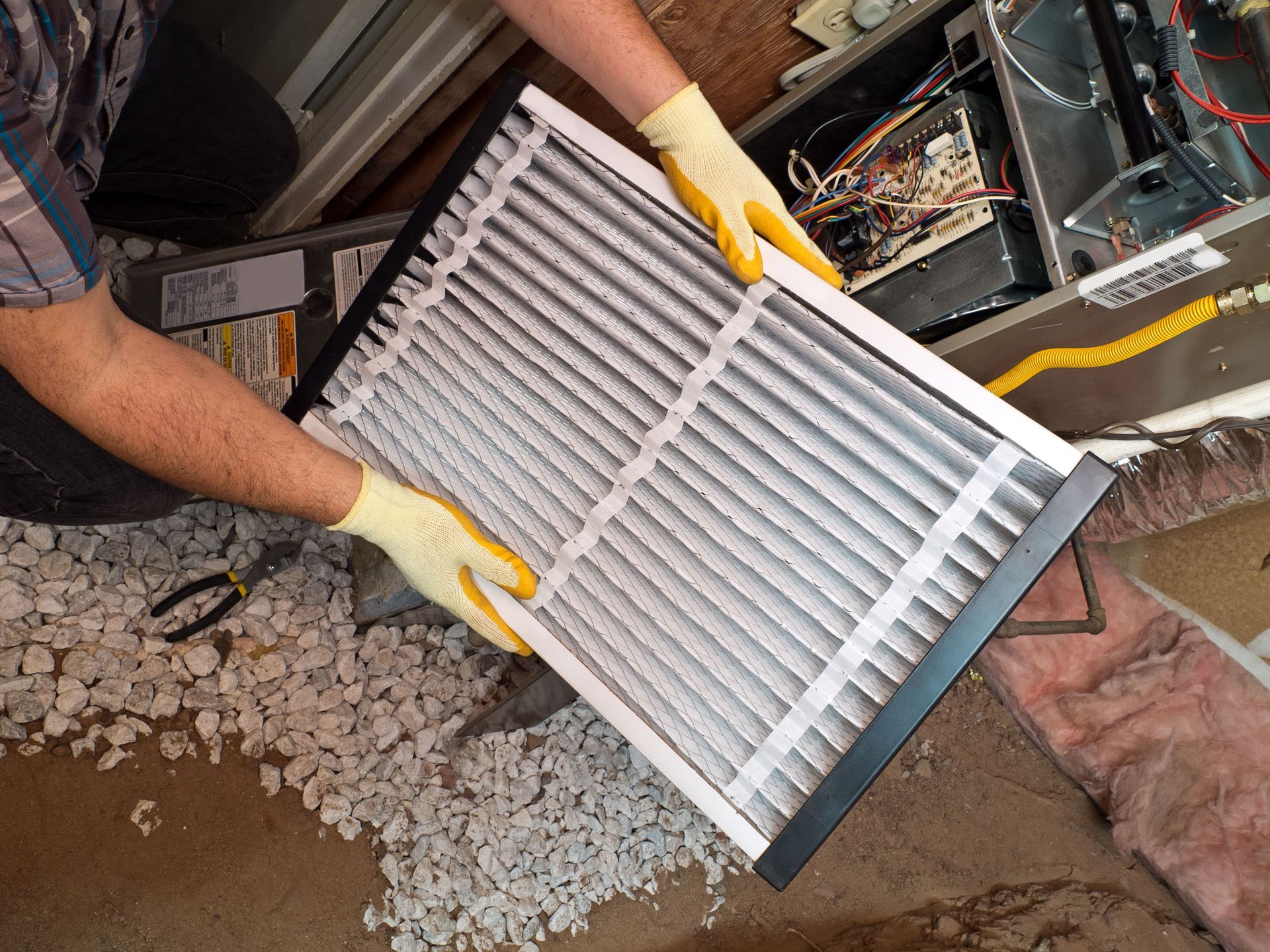
Regular maintenance is essential to keep commercial heating systems reliable and cost-efficient. Routine tasks include cleaning filters, inspecting ducts, checking controls, and monitoring system performance. Addressing minor issues early prevents them from developing into major repairs, which can be expensive and disruptive.
Maintenance also improves energy efficiency. Systems that are clean and properly calibrated use less energy to maintain desired temperatures, translating into lower utility bills and reduced environmental impact. Predictive maintenance, enabled by modern sensors and monitoring technology, allows businesses to anticipate potential failures and schedule repairs proactively.
Working with experienced heating contractors ensures maintenance is thorough and consistent. Contractors follow manufacturer-recommended procedures, identify emerging problems, and provide timely interventions. A well-maintained system not only performs better but also has a longer lifespan, giving businesses predictable operating costs and fewer emergency repairs.
Integrating Technology for Smarter System Management
Modern technology is transforming commercial heating management. Smart thermostats, sensors, and building management systems provide real-time data, helping businesses optimize heating performance and reduce waste. These tools allow automated adjustments based on occupancy patterns, time of day, and seasonal variations.
Predictive maintenance is another key innovation. By analyzing performance data, contractors can detect early signs of component wear or inefficiency, preventing downtime and costly repairs. Automation reduces human error, improves energy efficiency, and ensures consistent comfort for employees and customers.
Integrating technology also supports long-term energy goals. Data-driven insights guide equipment upgrades, system replacements, and operational adjustments that align with both cost-saving and sustainability objectives. Heating contractors are invaluable in implementing these solutions, ensuring systems are properly configured and delivering maximum benefit.
Commercial heating systems are a critical investment that affects productivity, operational costs, and customer satisfaction. Proper system selection, professional installation, routine maintenance, and smart technology integration ensure reliability, efficiency, and long-term value. Partner with Star Heating & Cooling to evaluate and optimize your commercial heating system today.