Choosing the right heating system is one of the most important decisions homeowners make, especially when trying to balance comfort, energy efficiency, and long-term costs. Today’s most common options—heat pumps and gas furnaces—each offer unique advantages depending on the climate, budget, and household needs. With energy efficiency becoming a top priority for many families, it’s no surprise that more people are comparing these two systems closely. According to The Spruce, compared to electrical baseboard heaters and furnaces, a heat pump can reduce electricity usage by 65%. This impressive efficiency makes heat pumps an appealing option, but gas furnaces still remain a strong choice for certain situations. Understanding how these systems differ can help you make a confident and informed decision. Here's what heating contractors want you to know.
How Heat Pumps Operate
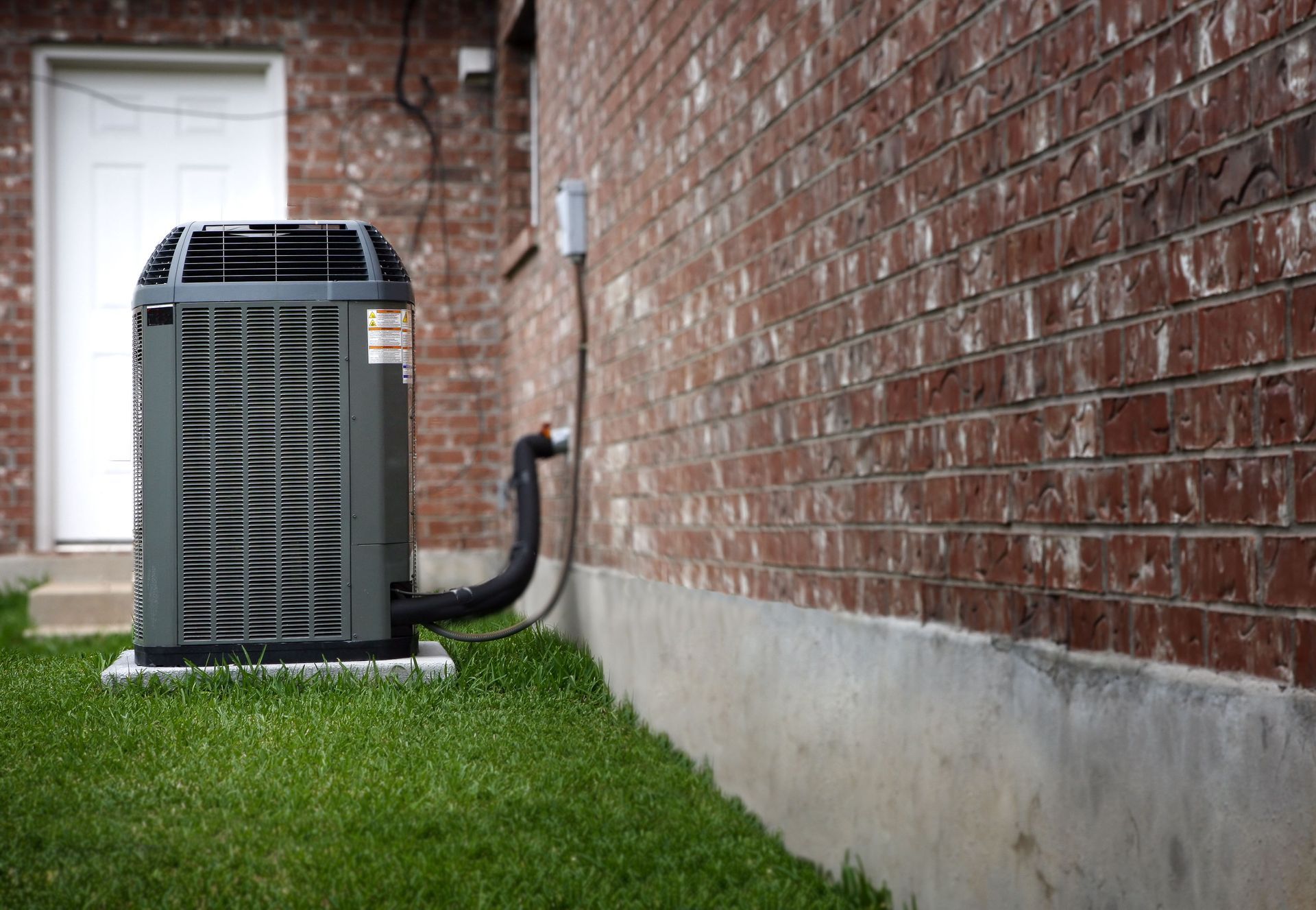
A heat pump works by transferring heat rather than generating it, which makes it far more energy efficient than many traditional heating systems. In winter, it pulls heat from the outdoor air and moves it into your home. During warmer months, it operates like an air conditioner, pushing heat out of your indoor space. Because it uses electricity and relies on heat transfer, a heat pump provides consistent comfort at a lower operating cost. Homeowners in mild to moderate climates often find heat pumps to be an efficient and cost-saving solution.
However, heat pumps can struggle in extremely cold environments, requiring supplemental heat to maintain comfort. This is where the advice of professional heating contractors becomes especially valuable, as they can help determine whether your region’s climate supports optimal heat pump performance.
How Gas Furnaces Compare
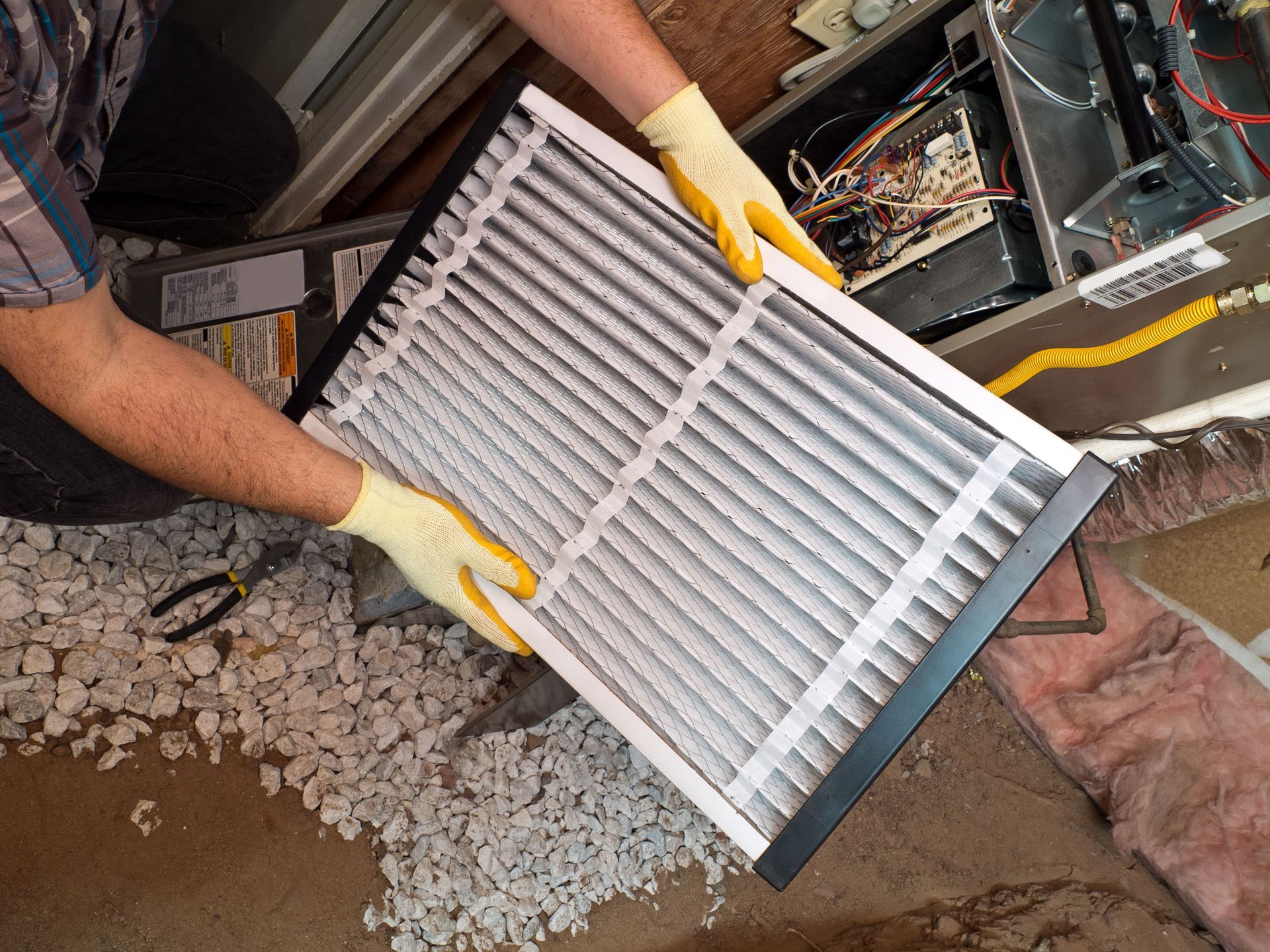
Gas furnaces operate by burning natural gas to create heat, which is then distributed through the home using ductwork. This method produces powerful, fast heat—ideal for regions with harsh winters. Because furnaces generate their own heat rather than extracting it from outside air, they deliver reliable performance even when temperatures drop well below freezing.
While gas furnaces can be more effective in colder climates, they do require access to a natural gas line and tend to consume more energy than heat pumps over time. They also do not offer cooling capabilities. Homeowners considering long-term efficiency often evaluate the higher operational costs associated with gas heating versus the versatility and savings potential of heat pumps.
Both heat pumps and gas furnaces offer valuable benefits, and the right choice ultimately depends on your climate, comfort preferences, and energy goals. For expert guidance, system installation, or a personalized recommendation, reach out to Star Heating & Cooling. Our
heating contractors can assess your home and help you choose the best system for year-round comfort.